

Game++. Building & Optimizing a Game Engine
How a modern game engine works under the hood: architecture, subsystems and real-world optimization. Published in Russian by BHV.
Notes on craft, programming and game internals.
C++14 without exceptions, RTTI or global new/delete: Result with [[nodiscard]], a single panic(), twenty allocations per frame and domain memory — what predictability costs, and why frame time is bought with programmer time.
↗ C++The typo your brain autocorrects, off-by-one, memory corruption with cause and symptom torn apart, heisenbugs, the Friday fix and feature-bugs — a taxonomy of a game engine’s chitinous friends.
↗ Game designStrings of ones and twos, four rules — and the Young-Fibonacci graph two studios arrived at independently while placing enemies across a level. Rank as a segment budget, and Young’s lattice inside a tech tree.
How a modern game engine works under the hood: architecture, subsystems and real-world optimization. Published in Russian by BHV.

A free book — download it in PDF or EPUB. (In Russian.)
A work-in-progress book on pragmatic C++ that still makes sense a year later.
A work-in-progress book — access on request.
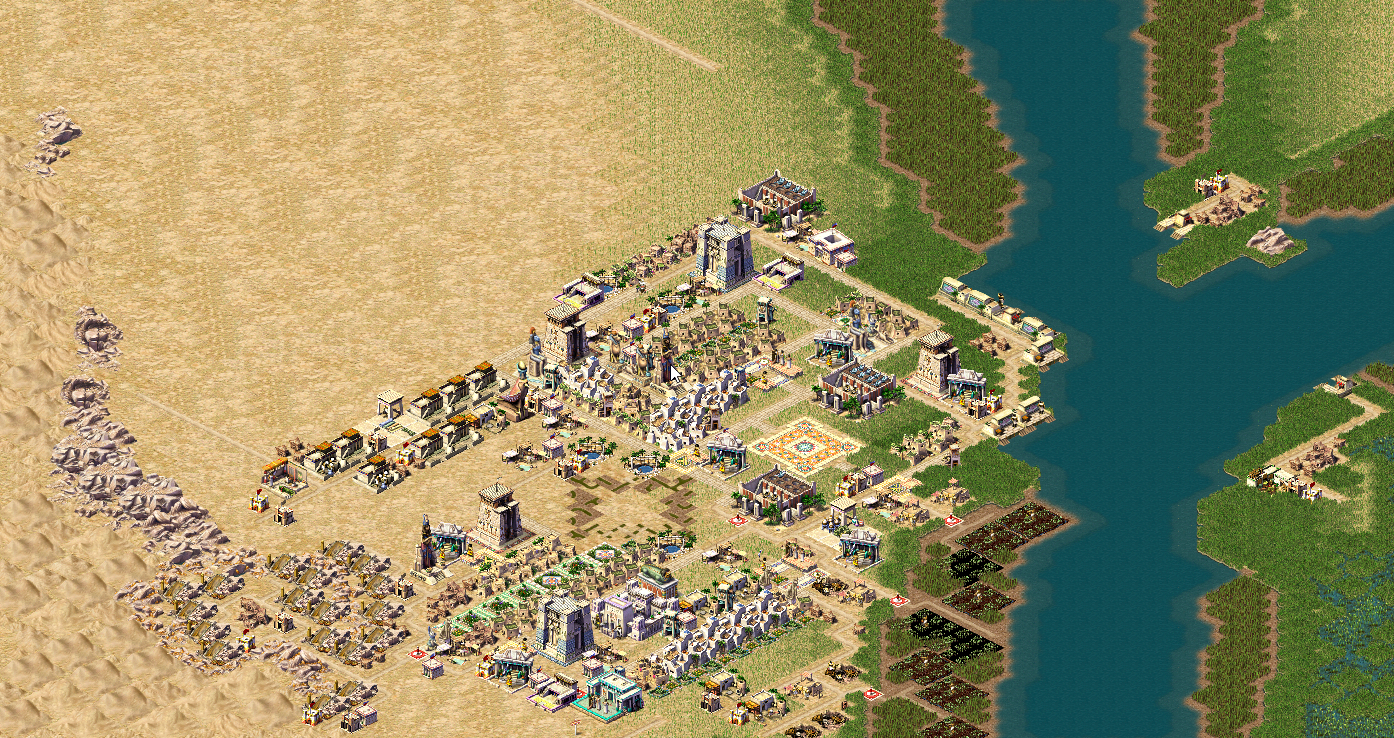
A modern open-source reimplementation of the classic city-builder Pharaoh (1999) by Impressions Games. Full savegame compatibility with the original, cross-platform, and clean, readable code.
About the game →
A collection of dozens of animated loading indicators for Dear ImGui — spinners, progress bars and dots in a single header. Just include imspinner.h and call the spinner you need.
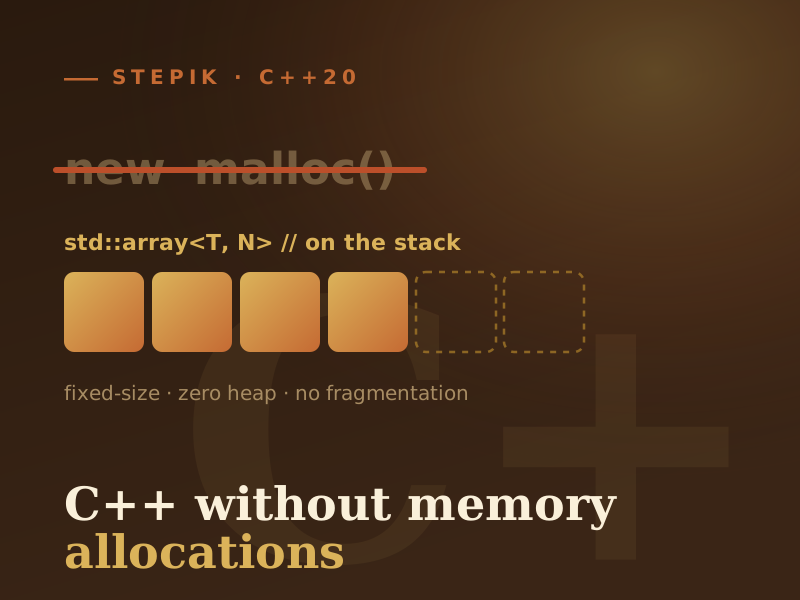
An intermediate course on writing C++ without dynamic heap allocations: which language and STL features are safe under tight resource constraints — in embedded and game development — without giving up modern C++ and OOP.