
Video games are probably one of the most popular forms of entertainment today. Everyone plays them, from kids to adults. They're a hobby and a pastime that relaxes, stimulates, builds communities and lifts the mood. The ubiquitous rise of mobile turned games from entertainment tied mostly to a home console or PC into a way to spend time available to anyone, anywhere, anytime. Mobile games attracted audiences across most ages and social groups, taking a significant share of the gaming market, bringing huge profits to development studios and driving the creation of new, hyper-addictive and profitable game paradigms — "gacha," "casual," "three-match," "battle royale," "farm" and others.
It's great when a game is made with soul, surprises you with its story and mechanics, and keeps you hooked in organic ways. As everywhere, games have dirty tricks too — the kind that make people spend more time or money than they'd like. The audience of games, gaming services, communities and game-adjacent forums reaches, by various estimates, 3.5 billion people — almost one in every two people on the planet plays, has played, or will play. The bulk of these people, around 70% of the total, were brought in by mobile projects over the last 10 years which — there's no denying it — have come to dictate the development patterns and designs for everyone else. That's neither good nor bad, it just is — when you have such a massive audience, you can test the most varied ideas, mechanics and theories in very short timeframes across different age groups, social strata and even different cultures. And this lets you find good and excellent combinations, pushing the industry forward, while fierce competition keeps individual studios or genres from stagnating. But every coin has two sides, and along with the positives and the progress of ideas, we get the spread of various dark and grey mechanics and practices. Why spend hundreds of designer-hours, draw unique art, polish balance and invent interesting activities, when you can simply play on the quirks of human psychology?
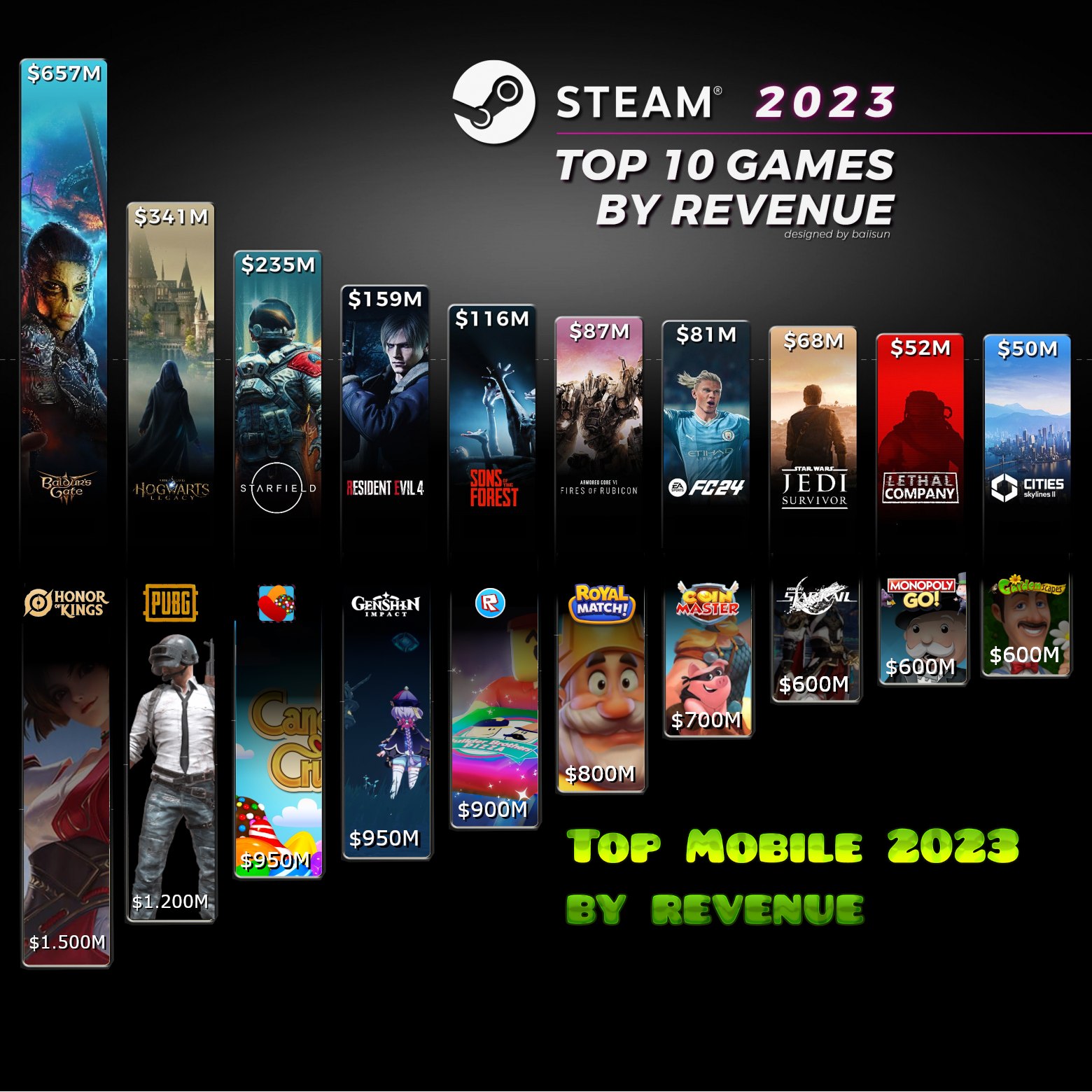
All of Steam, the big three consoles, plus smaller vendors generate, at the peak of a mass-market title's launch, no more than 25% of the entire gaming industry's turnover. PC and console developers, seeing everything happening in the mobile market — and especially mourning the 80% of profits flowing into someone else's pockets — start adopting the good and the not-so-good design practices of mobile games.
Feel the difference?
The total cost of developing GTA5 — with its add-ons, the rework for new consoles, server upkeep, advertising and franchises — is approaching $1.1 billion, while the monthly cost of acquiring new players, running servers and advertising, by insider estimates, hovers around $10 million. The development and maintenance cost of a certain game about a forgetful gardener, by various leaked figures, hasn't even reached $50 million over its entire lifetime, yet a mobile super-title generates far more in profit — never mind its luckier peers. Looking at all this, studio management asks the producer a reasonable question… how long?
The producer, unable to refuse his beloved boss, starts selling the team on "hard dr…" — innovative game-design methods, which at night, in the dark, under the covers, a very brave designer might call dark development patterns.
These are deliberate tricks added to a game to make the player act in a particular, desired way, often to their own detriment and in the developer's interest. It can be something simple that keeps the user hanging around the game longer, or something more cunning that gets players to spend money on unnecessary purchases even after paying for the whole game. The full price of a AAA title without a physical copy is now around $20; subtract advertising, Gaben's tax and the publisher's bonuses, and it turns out that a big studio operates, if not at a loss, then somewhere near cost if it sells a title below $50. So they try to earn however they can, borrowing the experience of more successful studios — that's normal, that's how the industry works.
At night, all cats are grey
Not all the patterns I'll describe are truly dark; some have been whitewashed by familiarity and mass use, some have long been perceived as the norm in games — but who does that make it any easier for?
If I ask you to name the annoying elements of games, you'll probably recall Pay2Win/Use, Playing With Notice (intrusive notifications), Artificial Deficit, FoLE (fear of a lost event), Loot Boxes. These are the most obvious elements that give a sense of being cheated, where developers chase profit despite players' wish to avoid manipulative monetization.
Daily Rewards
Collect them all!
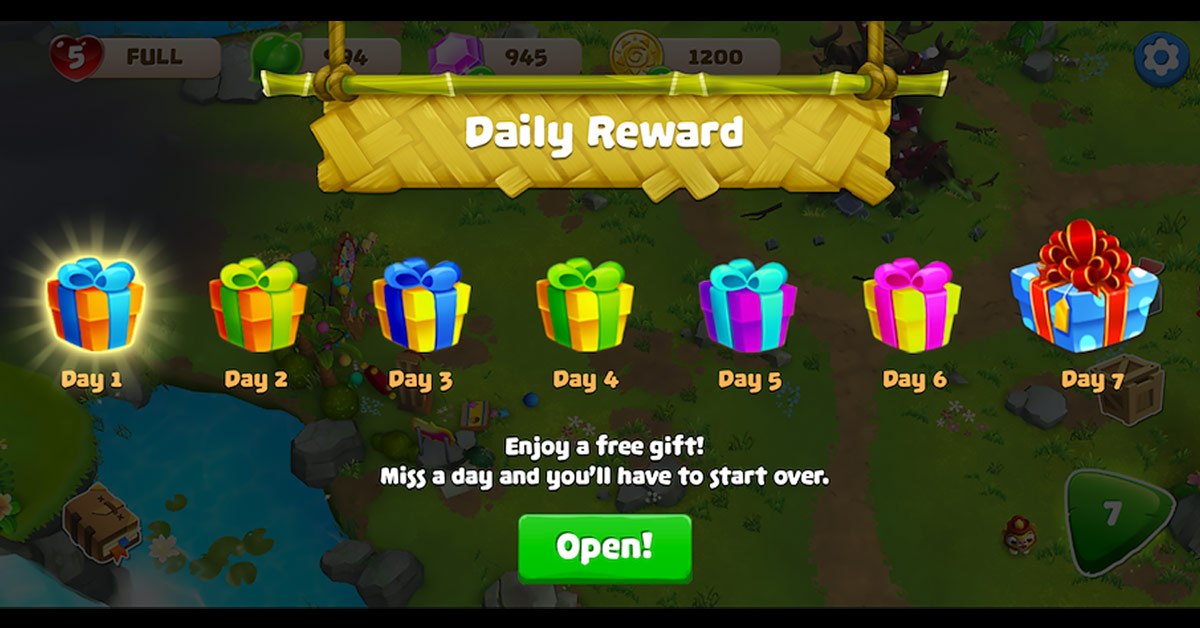
How do you feel about the Daily Rewards mechanic, firmly embedded not only in mobile games but in full-blown AAA projects too? It's actually a very controversial mechanic: in most cases, for each unique login the player gets some goodie, item or buff, and from the outside it looks very generous and harmless. A mechanic even praised by players (it's free, after all) starts working against them as a dark pattern when it docks together with other, also seemingly harmless mechanics, like notifying friends and inviting them to a party.
These daily rewards can have conditions attached — like play one match, kill N opponents, or invite a friend to a party. And daily rewards also nudge people to log in even when they didn't want to, because a missed login breaks the chain of rewards — which, by the way, is another retention pattern. This is called the "fear of missing out" (FoMO) trap — when decisions made in the past can't be changed by later actions. And here the designer gets a wealth of opportunities to influence the player's choice — for example, offering a more valuable item for certain actions, only today and only now. And through dailies it'll be much easier to sell the desired item, since the player is already in the FoMO trap and has logged in.
"I've logged in 35 days in a row; in five days I'll be able to get the legendary green Hulk sword — or I can buy the One Ring right now for $0.99."
— A certain Freddy Baggins
Premium currency
Cheap money
A dark pattern as old as the world itself, the father of loot boxes and the grandfather of the entire game economy. It's an in-game currency you can buy for real money. Usually premium currency is hard to obtain in the game, if at all, because freely available premium currency instantly breaks the economy and devalues every single in-game item that can't be bought for premium alone.
The first reason for using it is the developers' earnings directly, and here the currency isn't a bad thing — we all want to eat, and people want to play games. It's mainly used to buy upgrades, materials, items and so on, which isn't always bad; and often the direct use of real money is prohibited by a region's legislation, so virtual bucks are the only way out.
The second reason for premium currency in any game is tracking cheaters and balancing the game's economy: every game token can be traced from the moment it enters the game to any point in time, and any item bought or traded using premium becomes marked.
The third reason — the premium-currency mechanic obscures how much real money you're spending in the game, which benefits the developer because the value of such currency floats from update to update, from events, or is even tuned per player. Spending 10 virtual kilobucks on a virtual cap is not at all the same as spending 10 real dollars, euros or rubles on it. Think games are done taking the coins out of your wallet? Not so fast… Game-balance designers shape prices to encourage players to buy items more expensive than intended.
This isn't a game invention; it all came from retail, where you see it every day walking into a store: the price of two one-liter bottles of milk will be higher than one two-liter bottle, the average person grabs more product for less money — but the real world corrects the physics of purchases, so we don't drag home 10-liter jugs of milk at the price of 5 liters; we settled, conventionally, on a two-liter pack, even though we came to the store for one liter.
This popular retail business practice fit microtransaction economics nicely, and here not even physics stops us. So when a notional 100 gold coins cost $1, the content starts at 120 gold coins. When buying something, our brain discards the small part of the cost and sees only those 100 coins and roughly $1 — but you can't buy anything with the remaining 80 coins, and you'll have to go for premium currency again.
In most games, the premium-currency economy is tuned not so that you log in and buy coins once, but so that you log in to the game and the store many times. It's tuned so that one real dollar spent in the game makes you come back to the store at least twice. Every real ruble spent in the game shifts the currency's price curve for that specific player and raises the likelihood they'll spend money in the future.
Pay to Use (Pay2Use)
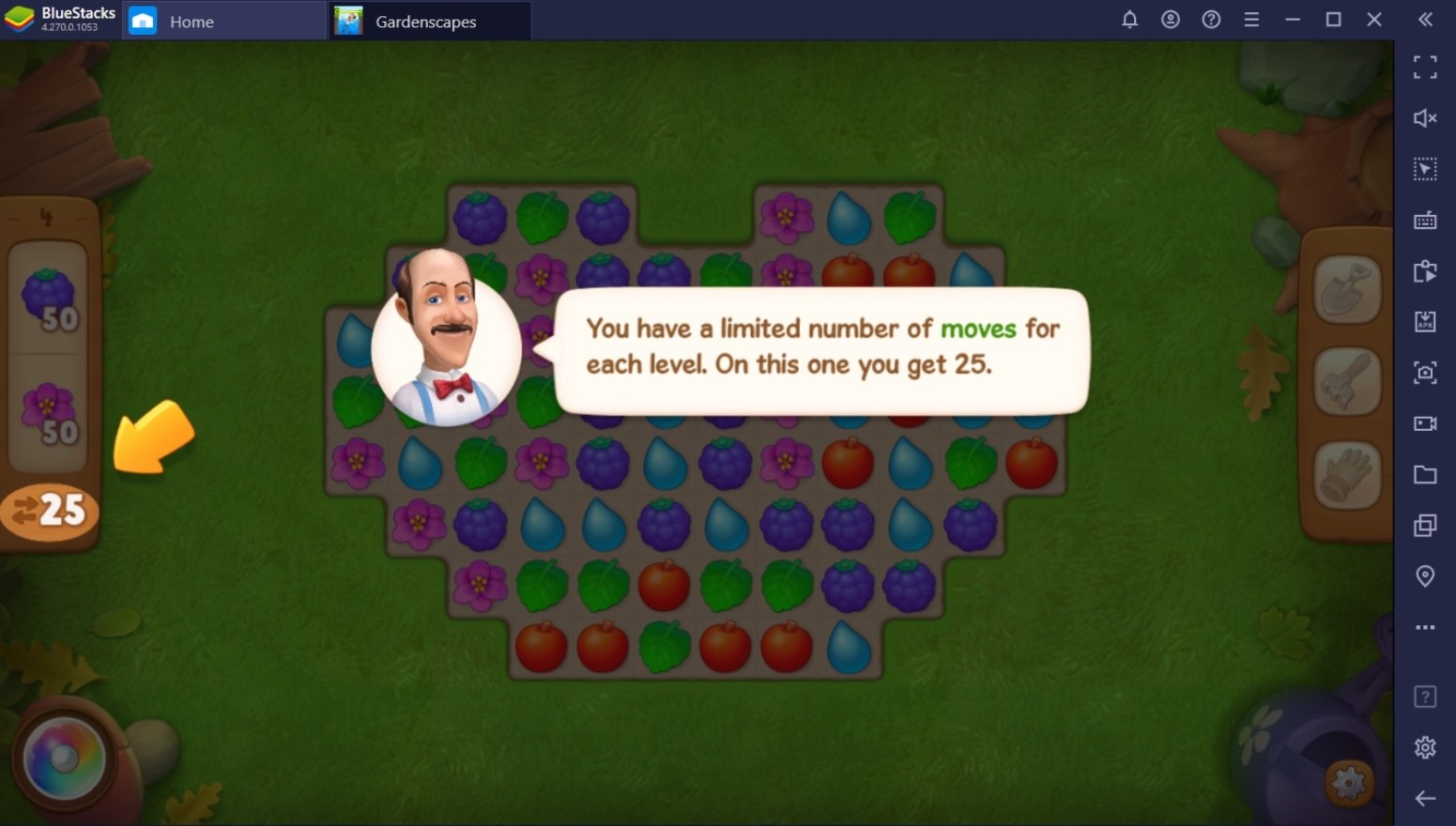
Nah, with that attitude you won't sell an elephant.
This is a mechanism that prompts users to spend extra resources to avoid waiting, to finish laborious and overly difficult challenges, and to make progress in the game. And that resource won't necessarily be real money — sure, developers don't make games out of pure altruism, and the end goal is to earn money. But there are very, very many ways to get it, from premium currencies all the way to merch that's far removed from the game itself.
We've all played games where you constantly have to wait for something, right? For example, you need to build a structure, a farm or a bridge, which takes 3 hours of real time. In such cases you're usually offered three options: wait until everything's done, use premium currency to speed up the process, or watch an ad to cut the wait — and watching an ad, per-use, is actually worth even more in revenue than premium currency; I'll explain why below.
Suppose an item will be ready in 3 hours; the amount of time an ad lets you shave off the wait depends on many factors — whether you're a paying player or not, how often you've watched ads before, how often you log in, and so on. The balance designer calculates build times and the effect of ads so that you spend at least fifteen minutes a day in the game (the "toilet timer" — more on that at the end of the article), and it doesn't matter how much game-time is spent on the build.
Or you can always spend a few coins and get the desired result immediately. And if you dig deeper, all these systems have long lived in big games too — DLC, cosmetic upgrades, paid content, loot boxes and chests, subscriptions and battle passes, paid battles and levels; it's just that large companies value their reputation and don't allow too blatant methods of squeezing coins out of the hamsters.
Pay to Win (Pay2Win/Paywall)

In summer we pour Hennessy, in winter Martell.
Consider another situation, where the game has a particularly difficult challenge. Players can either spend a long time trying to overcome it on their own, or pay to skip it and still get the corresponding reward.
In some cases the task turns out to be so hard that completing it becomes practically (or effectively) impossible without using paid bonuses. In one fairly old online city-builder from EA, the option to watch ads was disabled if a player hadn't paid for a month — i.e. the player had no alternative but to buy bonuses to progress through levels; when this came to light, the company got a turnover-based fine from antitrust regulators.
This is an example of a hidden paywall. Such obstacles cause players strong frustration, which often leads to in-game purchases to bypass the challenge or to obtain the upgrades/resources needed to complete it. Ultimately, all these systems boil down either to the amount of time spent in the game, or to premium currency or its analogues, which leave a financial trail.
Similar systems are also present in various forms in single-player games; they're just more smeared across systems and not always tied to money. Powerful gear and quests that unlock upon reaching a certain level, character types or skills, an energy system or similar consumable systems. This is also pay2win, only at the level of mechanics and story — and what you pay with is a separate question.
Pay to Open (Lootbox)
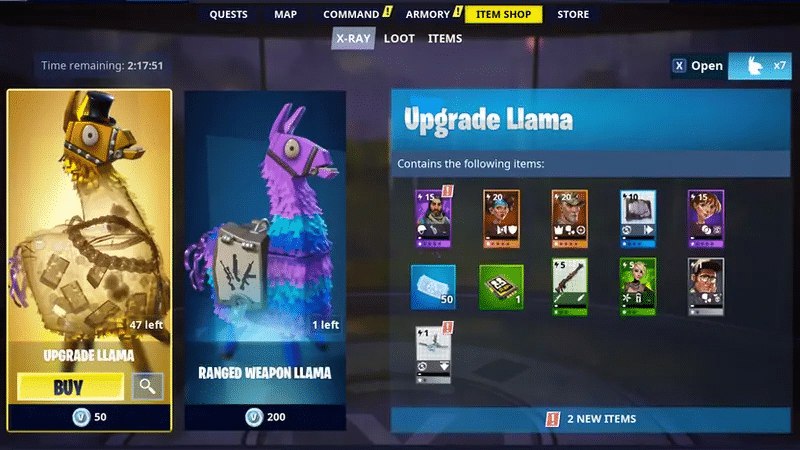
Loot boxes (virtual boxes with something valuable inside) have perhaps the most ancient history in video games, going back to the era of random items in chests in Zelda or skill crates in Counter-Strike. But it's one thing when such mechanics are built into the game and don't require any resources, and quite another when monetization mechanics get hooked onto them — and that starts having a lot in common with gambling. Players find it easier to accept getting a dud when they only pay for it with their time, and much harder when resources with a financial trail are involved. As a rule, players can buy loot boxes for money or in-game currency, and again the balance of such systems is calculated with paying players in mind; almost nowhere will you find top-tier items obtainable without a financial trail. Because the appearance of a powerful sword with no financial trail breaks the game economy, which is hard enough to balance as it is. And so the player gets their dopamine hit, you'll be shown effects, fanfares, as if you'd hit the jackpot in a casino — although it is a casino, no point hiding it.
Power Creep
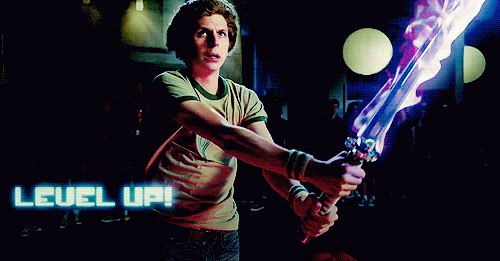
So, you gave in to the game's assurances about the necessity of this "super-duper mega-rare purple" alarm clock that doubles game-time, and spent a couple of bucks to buy it. The alarm clock is magnificent, ticks merrily, sparkles with effects and reminds you of itself every hour, the farm grows by leaps and bounds. For a couple of days everything goes like a fairy tale, and then you start to notice that the magic alarm clock isn't so magic and the farm's growth is slowing, and within a week everything is back to the old costs entirely, if you look at real time. Are the developers selling broken alarm clocks?
No, the alarm clock works — it's just that the time to harvest grew; designers usually call this a rise in level, difficulty, or something else. But in the "science of deception" that is game design, this is called "power creep," when the stats of a super-duper item start to influence real progress in the game less, while the store already has a new x2 yellow alarm clock — even prettier, ticking louder, giving more of a boost. And there you are, getting another couple of bucks ready for a new purchase; this cycle never ends.
New content has to be better than what players already hold. The power creep trap exists in online projects as well as single-player games; however much developers claim stable stats for guns and monsters, they have to balance monsters and weapons, introduce the notion of resistance of one to another. In single-player games, the power creep trap usually appears closer to the end of the game, when a supposedly over-leveled player with the coolest guns should be tearing bosses apart in no time — but you'll agree, then they wouldn't be bosses. And can you catch the difference between alarm clocks and bosses?
Automatic reactions (MMM, Misuse Muscle Memory)
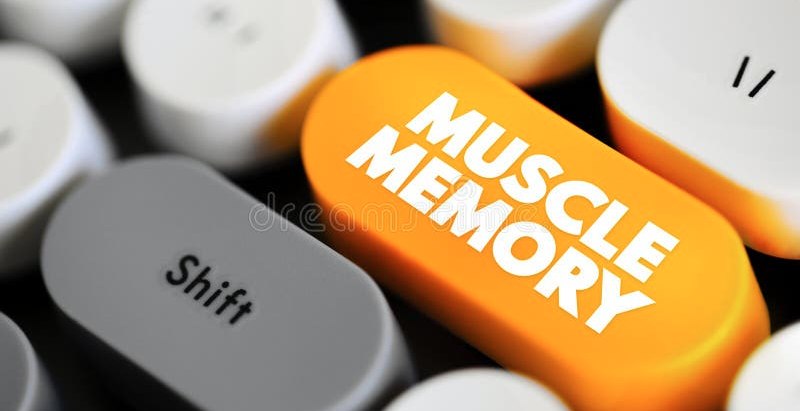
The hands got used to the axe
This is one of the black patterns, aimed at exploiting our brain's automatic reactions. When a player gets used to performing certain actions, they're carried out without thinking, and sudden changes in the game's behavior catch us off guard in most cases. This is best demonstrated in football and fighting simulators, where the built-in timings directly affect the mechanics you use. Or the recent example with Elden Ring, when one patch changed the timings of a couple of abilities, and players used to the old values suddenly started losing out of nowhere.
For mobile games and various designers who aren't entirely clean-handed, this pattern is used to increase ad views, trigger the purchase window, and so on. Some players, while waiting or out of impatience, tap a certain familiar area of the screen where the elements for closing an ad or continuing the game usually sit. By placing additional elements in those spots — such as purchase buttons or the launch of another ad — you can give players a nervous tic, or get accidental purchases.
False urgency (False Threshold, Timeless sales)

Buy the elephant
Another typical dark game pattern is creating false urgency, or its close cousin, never-ending sales; it also came from retail, where it's meant to sell off stale goods. It's oriented exclusively toward the developers' interests, but plays on the wording of time perception and the manipulation of emotions to present an urgent notification as something valuable to the user. To draw the player in more, designers create a fear of missing something interesting — that some important event is happening in the game without the player's involvement.
A classic example in big games is quest chains or time-limited tasks; although the game can stretch out completion time indefinitely, to players it's presented as time-limited.
In mobile or MMO games an example would be notifications along the lines of "Your friends invited you to an event" or "the potatoes are ripe, time to harvest." As soon as you tap the notification or log in, the game can show you an endless amount of content, keeping you for several hours. I get that developers try to increase time spent in the game, but often this goes beyond what's acceptable, giving nothing of real value in return for the time spent.
Roach Motel
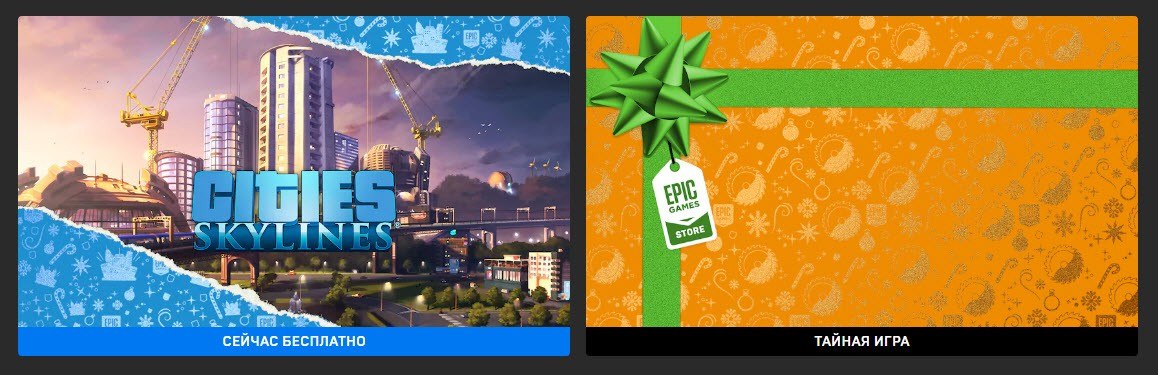
Are you also waiting for the next game in the Epic Store?
Complicating the scenarios for obtaining certain items, or limiting the inventory, limiting the weight of carried items — another dark pattern, aimed at the fear of loss. A situation where the player easily ends up in a state that constantly demands certain resources, or a game mechanic that makes it hard to give up using it without significant costs, be it time, money or other resources.
In online games these can be subscriptions and premium accounts, in-game promos and events, or bonus-accumulation systems tied, for example, to daily rewards. It's often criticized for its questionable player-retention methods, both by the developer community and by players themselves. Yet it's widely used in the games industry to maintain engagement and as one of the foundations of monetization. You didn't really think a free game in the Epic Store was actually free, did you?
The illusion of choice (Options hold)
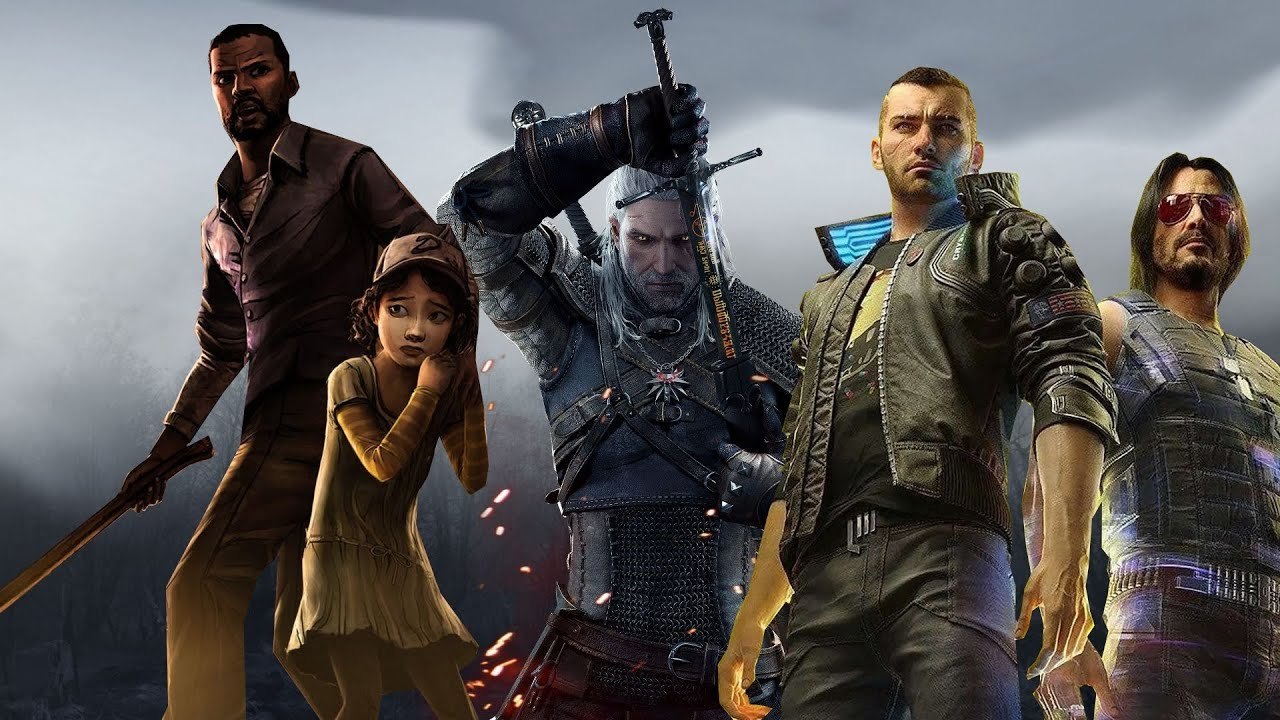
Does Johnny influence your choice?
Another one — not even a dark pattern but a development template — where the game creates the impression that all of the player's choices are equal and there's no clear advantage, providing the appearance of freedom and equivalence of the decisions made. In most cases, however, decisions or quest paths lead to different endings, or are even necessary to complete the game successfully. For example, a bad ending carries a clearly expressed negative, forcing you to replay the game.
Among the methods used to implement the illusion of choice, you can single out "hidden preferences," where dialogue options are placed in the first positions and are more likely to be chosen. Or "progressive manipulation," where undesirable choices have less impact on a character's stats, items, or relations with factions. For example, players who have good relations with a game faction will try to raise that stat, even if the current decisions harm the story or the player's current plans. Or another example, where some buff gives different advantages for different role-play builds; players, knowing the strong sides of a build, will favor those skills and stats that yield a bigger parameter boost, even if they don't suit the chosen role-play.
Leaderboards
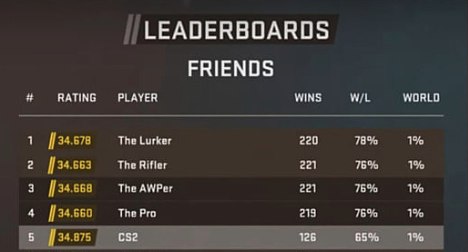
Another pattern, as old as humanity itself, exploiting the natural thirst for being first. Sunday tournaments with friends in Mario or Sonic — I don't know about you, but I often stayed up late and never got my homework done. Skipping the Sunday tournament was considered something improper; your friends definitely wouldn't talk to you for a couple of days afterward.
Leaderboards are an integral part of many modern games, where you have to complete tasks or beat other players to earn points. The more points a player has, the higher their rating; the higher the rating, the harder it is to hold, the stronger people's engagement — it's no big secret to say that such ratings are often tweaked to give more motivation to reach a better position. Or the whole table is split into sections, so players can see their significance within some group, and first place in the silver division or the gold one already takes on secondary importance.
Usually such events have clear time limits (a day, a weekend, a month, etc.). When that period ends, players get rewards according to their positions. The result is that even if someone has been playing the game for a long time, they need to take part in such events to keep their place on the leaderboard.
Synchronization (Time Threshold / Synclife)
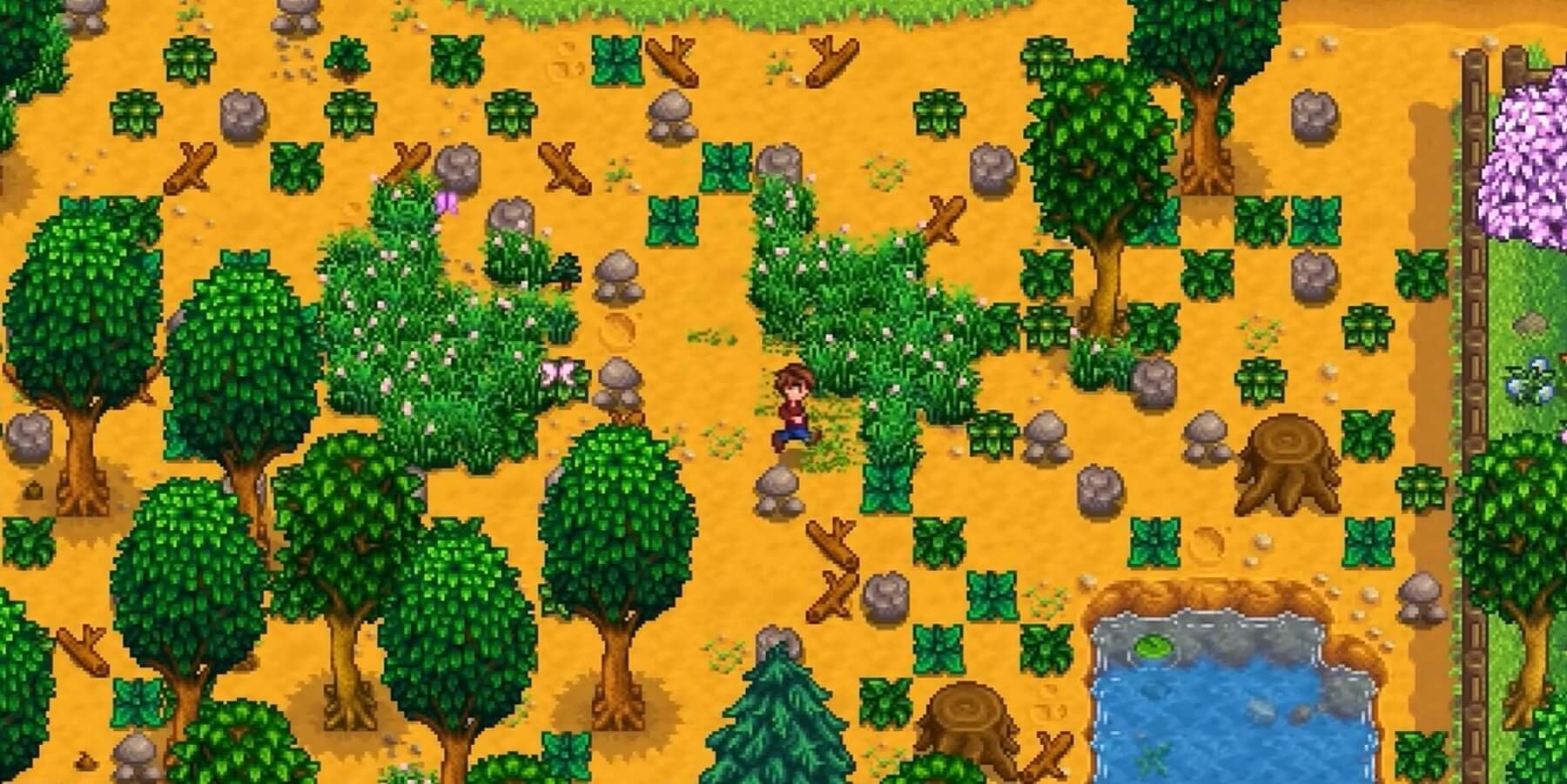
One of the most insidious and undetectable patterns: you can get certain items only under specific conditions, usually tied to the time of day or the time spent in the game.
Time in some Pokémon games syncs with additional game parameters and the real world — if you play during the day, it's daytime in the game. Some things can be obtained only, conventionally, during the day, others only at night, so to get certain items players have to launch the game not when it's convenient, but when the designers need it.
Among big games I can recall Animal Crossing — game time syncs with the date and time on the console, and some fish can be caught only on certain days of a certain month: the rare Betta fish can be caught in the river from 9 a.m. to 4 p.m. from May to October (Northern Hemisphere) or from November to April (Southern Hemisphere).
Several other, more familiar patterns grew out of this one, for example: the "come back later" mechanic, where a quest can be finished or continued after some game or real time, time-limited goods, promos and offers, build timers and some others.
Time Gates
Also a fairly common pattern for nudging players toward purchases, but unlike many it requires changing the game's mechanics, or the game is built in advance with the option to apply it. The gist is that items or mechanics in the game are designed for free use for X hours/hits/uses, after which, if the player hasn't paid, watched an ad or done some other action the developers need, it (the item or mechanic) starts to degrade or breaks, producing less "delight."
It's partly similar to Power Creep, but the latter is more honest — the bonus is received for a purchased item, whereas here degradation is deliberately built in at the development stage. In big single-player games, however, this can be a perfectly legitimate and justified mechanic, for example mapped onto a system of weapon fouling or breakage — but without accompanying repair or cleaning mechanics, such aging looks like cheating the player and taking away their powerful guns or items.
Currency splitting (Shadow Currency)
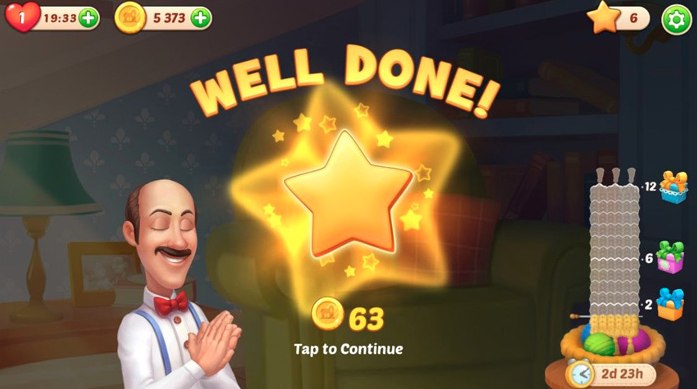
Coins → crystals → rubies → boosters?
Using two or more types of currency, one of which is necessarily bought for real money while the rest are its derivatives, is done to obscure the real cost of purchases. Usually shadow currencies start being introduced into a game when the main premium currency stops bringing in the planned profit.
To hide a rise in the real cost of premium currency and raise prices non-transparently, a shadow currency is introduced to pay for certain kinds of goods, or starts working in parallel with premium. So, for example, some gold tanks can be bought only for gold doubloons, but the gold doubloons themselves can only be obtained for premium on the morning roulette or picked up from fallen enemies; players who don't closely track the shadow currency's rate will never have a real exchange rate of one to the other.
Another example of shadow currencies is buffs and boosters, which blur the influence of the main currency through other game parameters. The use of boosters and buffs isn't bad in itself, but the longer the chain from an invested ruble to a real effect, the more room there is to blur the item's financial trail. So buying coins for rubles, crystals for coins, and a booster and buff for crystals, you no longer understand how much the booster costs in real money, and you'll part with it easily — which means the designer did their job well, and you've already spent your rubles.
Baits
A fairly common pattern from real life, where advertising promises that a store has goods at certain prices, but in reality they're either unavailable (sold out, display only, in the warehouse and arriving in a week) or require meeting certain conditions to obtain, like extended insurance, additional services, etc. Games have it much easier when it comes to manipulating a person's attention, placing the advertised item in the middle of a list you still have to scroll through to the right spot. Maybe while you're scrolling you'll buy something else too.
Rare / Random collections (Dependency on Rare Items)
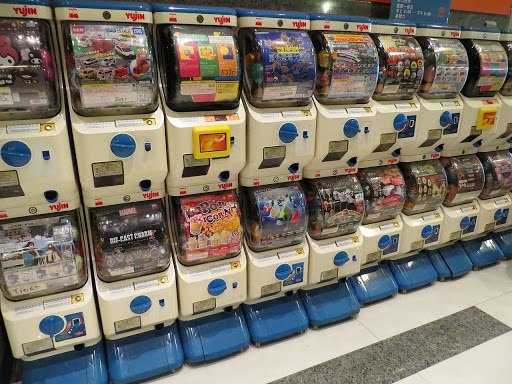
A dark pattern that involves using rare or random items as key elements of gameplay. In such a mechanic, players face a situation where, to complete the game successfully, get powerful buffs or unique skills, they need to collect certain items. These items, in turn, may be available only through loot boxes, random rewards or time-limited events. The main goal of such a pattern is to encourage players to spend real money on attempts to get the needed items, often regardless of their wishes.
The mechanic of rare and random collections is one of the most controversial in the games industry. It's based on exploiting the human desire to possess rare things and to achieve success, which can lead to significant financial costs and a negative player experience. Examples are gacha games, Diablo Immortal and, surprisingly, Horizon: Zero Dawn, in which rare-set items are generated in random locations at the start of the game.
The framework of emotions (MINDSPACE)
It's all been calculated already
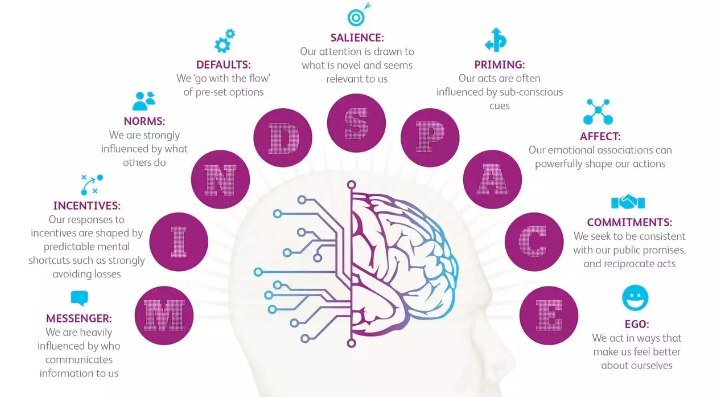
Everything I've written above is fairly obvious dark patterns that emerged at the dawn of marketing back in the pre-gaming era and are well detected by people — a sort of immunity to advertising and intrusive monetization. But the sword-and-shield contest of monetization doesn't end there; as game psychology developed, comprehensive methodologies like MINDSPACE started appearing in the industry. By breaking down each game detail or mechanic into its corresponding components, you can answer the question of how it will be perceived by players and how to change it to get the desired effect.
- M / Messenger — information depends on who its consumer and source are.
- I / Incentives — most people react to events similarly, for example we strive to avoid losses more strongly than to gain a benefit.
- N / Norms — we are strongly influenced by other people's behavior (we want to fit into society).
- D / Defaults — we tend to choose default or recommended options.
- S / Salience — our attention is drawn to things and offers we know, for example ones our acquaintances chose.
- P / Priming — our actions at different times of day have different motivations; people buy things less often in the morning, or buy more often on Friday.
- A / Affect — we act under the influence of emotional associations, for example players are more likely to make purchases after gaining a level or some achievements.
- C / Commitments — players try to keep promises and reciprocate; in-game invitations from people they know are built on this.
- E / Ego — we tend toward behavior that helps us feel better than other people.
The mechanisms underlying dark patterns and "nudge" techniques don't differ too much from one another: both rely on psychology and aim to change human behavior, but solutions built with MINDSPACE aren't yet detected en masse by players.
Afterword…
And I'd like to end the article with a quote from my favorite game designer, who gave the world more than one wonderful game.
"When talking about video games, people often discuss graphics, controls, the number of polygons. But why not talk about other components of a game, for example its emotional component? When we discuss films, we can talk about special effects — and about the story, its meaning, what the director wanted to convey. I believe that in games too you should look not at the technical details, but at the experience and emotions you get."
— Michel Ancel (Rayman, Beyond Good & Evil)
Game developers strive to build a game so that the value of the time spent on characters and the environment grows as time spent in the game increases. Character customization, rare items, pets, companions and so on — all of this makes the gaming experience very personalized and meaningful, leaving no feeling of time and money wasted after finishing the game.
If you've invested 20 hours into finishing a game, those 20 hours acquire a felt value for you. You wouldn't spend 20 hours building a Lego model just to then smash it — and it's the same with games; the 20 hours invested in a game keep you from quitting it. And if you spent not only time but money on the game, you'll keep playing, considering it necessary like food or work, to avoid the feeling of wasted funds. Time and money will be the strongest incentives bringing people back to your game.
← All articles